As we move into 2025, the material handling industry is facing a wave of change driven by economic pressures, technological advancements, and shifting workforce dynamics. These trends aren’t just abstract market shifts—they have real, tangible effects on how businesses operate, compete, and grow. Understanding these forces will be key to staying ahead, and at Got Rack, we’re analyzing how these trends will impact businesses and how smart storage solutions can help companies adapt.
Economic Uncertainty & Cost Pressures
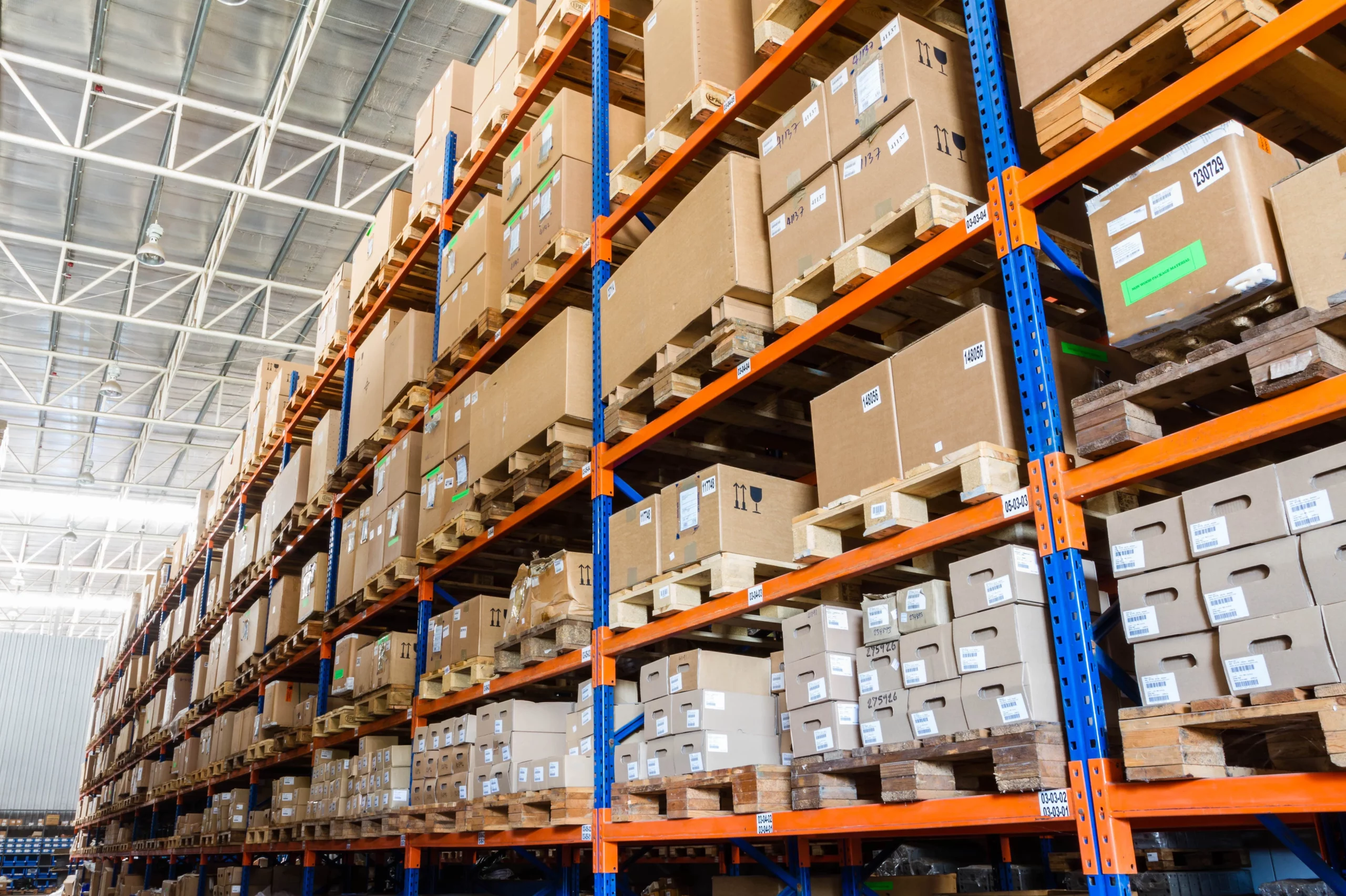
The rising costs of goods, transportation, and labor continue to challenge businesses in the warehouse and logistics sectors. Companies that traditionally invested in new racking systems may now seek more cost-effective alternatives to stretch their budgets. This shift makes refurbished racking a strategic option, offering significant savings without sacrificing durability or compliance. Firms that make budget-conscious investments in infrastructure will be better positioned to maintain profitability amid economic fluctuations. Additionally, businesses must stay agile in their financial planning, seeking flexible purchasing options and long-term solutions that maximize return on investment.
The Rise of Automation & Efficiency Demands
As more warehouses integrate automation, robotics, and AI-driven logistics, businesses need adaptable infrastructure to keep up. Facilities designed for traditional storage may struggle to accommodate Automated Guided Vehicles (AGVs), high-speed conveyors, and robotic picking systems. Companies that proactively rethink their racking configurations—opting for systems designed to support these technologies—will maintain efficiency as automation becomes the norm. Investing in modular and scalable storage solutions will allow warehouses to evolve alongside technological advancements without requiring a complete overhaul of existing infrastructure.
Compliance, Safety & Sustainability Pressures
With increasing regulatory requirements and sustainability initiatives, businesses must ensure their warehouses meet permitting standards, seismic safety measures, and ESG (Environmental, Social, Governance) expectations. Companies that ignore these shifts may face higher operational costs, fines, or restrictions. Investing in compliant, long-lasting storage solutions—such as seismic-rated racks or refurbished systems that reduce environmental impact—can help businesses stay ahead of regulations while improving safety. Additionally, implementing energy-efficient warehouse designs and reducing material waste will further align businesses with sustainability goals and improve their corporate responsibility standing.
Labor Challenges & Workforce Evolution
Hiring skilled warehouse workers continues to be a challenge, and businesses are under pressure to create safer, more ergonomic workplaces. Warehouses with inefficient layouts, high traffic congestion, or outdated storage systems can struggle with high turnover and low productivity. Optimizing warehouse flow with customized racking solutions can reduce the physical strain on employees while making operations more seamless and efficient. Additionally, investing in training programs for warehouse staff and leveraging ergonomic storage solutions can enhance worker satisfaction, reduce injury rates, and increase long-term retention.
Competing in a Globalized, E-Commerce-Driven Market
With global supply chains becoming more unpredictable, businesses must build resilient, scalable storage solutions to handle fluctuating inventory demands. Companies that rely on just-in-time inventory models may need to shift toward higher-density storage systems, like push-back or drive-in racking, to keep pace with market changes. Those investing in scalable, multi-use racking solutions will be better equipped to adjust to demand spikes without overhauling their entire infrastructure. Additionally, e-commerce-driven warehousing requires optimized pick-and-pack processes, making adaptable storage layouts an essential component of maintaining fast fulfillment times.
Supply Chain Resilience & Risk Management
Supply chain disruptions have forced companies to rethink how they store and manage inventory. Businesses that rely on global suppliers are now looking for nearshoring options, increased on-site storage capacity, and better inventory tracking systems to mitigate risk. Warehouse optimization plays a crucial role in ensuring a steady flow of goods, with strategically designed storage solutions helping companies adapt to changing supply chain conditions while avoiding costly delays and shortages.
Final Thoughts: Staying Agile in 2025
The businesses that thrive in 2025 will be those that adapt early, invest strategically, and optimize their warehouse operations for both cost-efficiency and technological advancement. At Got Rack, we help companies future-proof their storage infrastructure with solutions that balance affordability, durability, and innovation. Whether it’s transitioning to refurbished racking, upgrading for automation, or ensuring compliance with safety regulations, we’re here to help businesses navigate these industry shifts.
By staying informed and proactive, businesses can turn these challenges into opportunities for growth. Is your warehouse ready for 2025? Let’s talk about the storage solutions that will keep you ahead of the curve.